
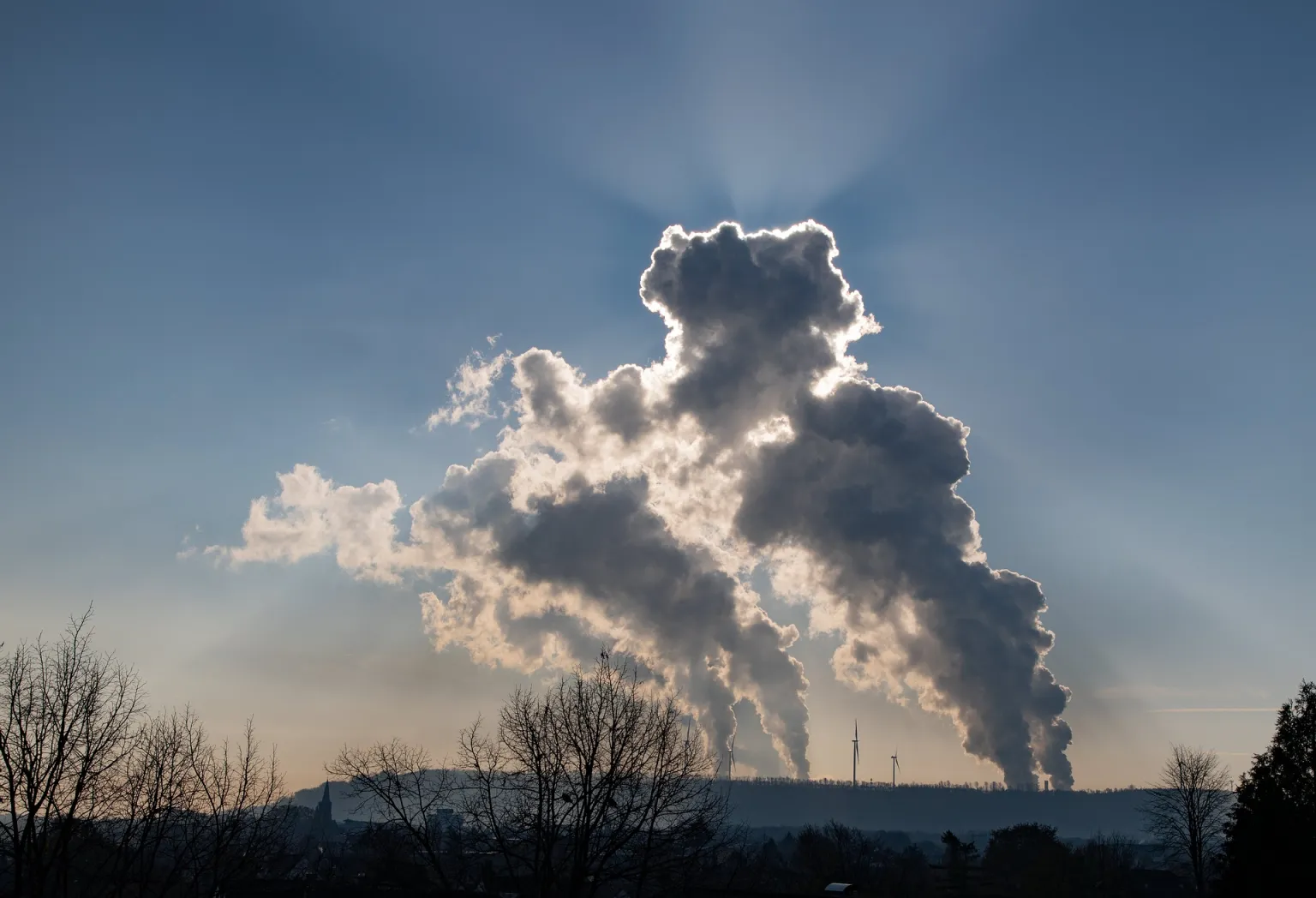
Reducing greenhouse gas (GHG) emissions has become a strategic priority for the aluminium industry. Producers are looking for solutions that improve environmental performance without compromising productivity, operating costs or operational stability. The most promising opportunities are often found in the same place: reducing losses, optimizing energy use and maintaining the operating conditions that support sustainable aluminium production.
What Are the Best Opportunities to Reduce Emissions Without Affecting Operations?
The most accessible gains usually come from optimizing what is already in place. Reducing energy losses, keeping equipment at target performance levels and improving resource utilization all help lower the net carbon consumption associated with production, while still supporting production targets.
Many organizations find their first GHG reduction opportunities by addressing two things: energy losses, and the factors that have a lasting impact on equipment performance.
Read also: How Can Energy Efficiency Be Improved Without Major Investments?
Why Are GHG Emissions Often an Indicator of Inefficiency?
In an aluminium smelter, GHG emissions also reflect the amount of energy, resources and operational effort required to maintain a given level of production. When more resources are needed to achieve the same result, net carbon consumption rises with them.
Reducing these inefficiencies improves three things at once: environmental performance, competitiveness and ESG indicators.
How Can Environmental Performance Be Improved Without Completely Transforming Existing Facilities?
Industrial decarbonization is, above all, a process of evolution. The organizations that achieve the best results are often those that embrace continuous improvement, evaluate new innovation pathways and stay open to experimentation through pilot projects or the gradual integration of new technologies.
Moving forward one step at a time makes it possible to reduce GHG emissions, improve operational performance and prepare for future requirements without putting operational stability at risk.
FAQ
Can the introduction of new products disrupt existing operations?
Conclusion
Industrial decarbonization is driven as much by innovation as it is by continuous improvement. Organizations that remain open to new technologies, pilot projects and innovative approaches are often the ones that achieve the most meaningful long-term results. By progressively implementing solutions that enhance both operational and environmental performance, aluminium producers can strengthen their competitiveness while preparing for the challenges of a lower-carbon future.